Recovering from addiction is a tough, but rewarding, road. Unfortunately, addiction is complex and many people trying to recover and rebuild their lives make some fatal mistakes. Here are five common mistakes that recovering addicts make, and how to avoid them.
1. Trying to control your alcohol or drug intake
If you’re really an addict, and not someone who is partying too hard, then controlling your use of alcohol or drugs is almost impossible. Some addicts try, and fail, at this for many years until they finally realise it can’t be done reliably.
The nature of addiction means you can’t control your use of a particular substance once the first drink or drug is down the hatch. The first one sparks off the neurological processes that cause a binge, so controlling your intake after the first drink or drug becomes impossible once you’re completely addicted.
Addiction is progressive, so if you find control tricky, but not yet impossible, be aware that continuing to drink or take drugs will push you into a place where you’re out of control. The only drinkers and drug users who don’t necessarily need to be abstinent are those who can consistently stop after one or two drinks or hits.
2. Swapping or switching substances
“Maybe it’s just vodka I can’t control.” “Maybe it’s just crack that sends me crazy.” “Perhaps if I switch down to a weaker drink or a softer drug, then that will make a difference?” Wrong – it won’t. If you truly have an addiction to alcohol or drugs, you will be addicted to all forms of your particular poison. Abstinence is the only way in the end. You are only delaying the inevitable by swapping and switching the substances you use.
Most addicts find that abstinence from anything mind-altering is ultimately the healthiest way to recover in the long-term. Some people take this as far as nicotine, coffee and sugar, while others are just happy to have given up drinking and drugging.
3. Not doing recovery work
If you’re addicted to a substance, you have done something serious to your brain. You have built a neural pathway in it that screams out “Drink! Drink! Drink!” or “Drugs! Drugs! Drugs!” You may have been forming this neural pathway for a large portion of your life. It is now strong and your default response to pain, stress, socialising, and celebrating is to have a hit of your favourite substance. Drinking or taking drugs has become perhaps your only coping mechanism.
You’ve basically filled your brain, and probably your life, with all manner of negativity, toxins and general crud. Why, then, would you imagine that you wouldn’t have to put just as much effort into recovery as you did into drinking or drugging?
You have to counter that negative neural pathway by building a new, positive one in your brain. Even if you’re very determined to stop, you have to back up that conviction with solid recovery work.
4. Believing you’re cured of addiction
Alcoholism and drug addiction can be illnesses of denial. I sometimes hear of people in long-term recovery returning to drink or drug use again, because they believe that after some time off the sauce or the substances, they will be able to handle it. I know people who have achieved decades of sobriety and when they pick up the booze again, believing they must be cured by now, within a week or so they are right back to where they started again – or worse.
It is possible to recover from alcoholism and drug addiction, meaning that your life vastly improves without the substance in it any longer. In those cases, you may hardly ever feel cravings and be a much happier person overall. But, this does not mean that you can return to drink or drug use – your neurological response to these substances will remain with you, so you must remain abstinent for the long-term.
5. Trying to recover alone
Addiction is a complex and confusing problem. It may have already baffled and frustrated you, so why would you want to struggle with it alone? There is nothing shameful in getting support, whether that’s through fellowship groups, relapse prevention groups, or with the support of an addiction therapist.
You wouldn’t expect to have to recover from any other illness or disorder alone, so why this one? Put your pride aside and ask for help. You’ll be glad you did.
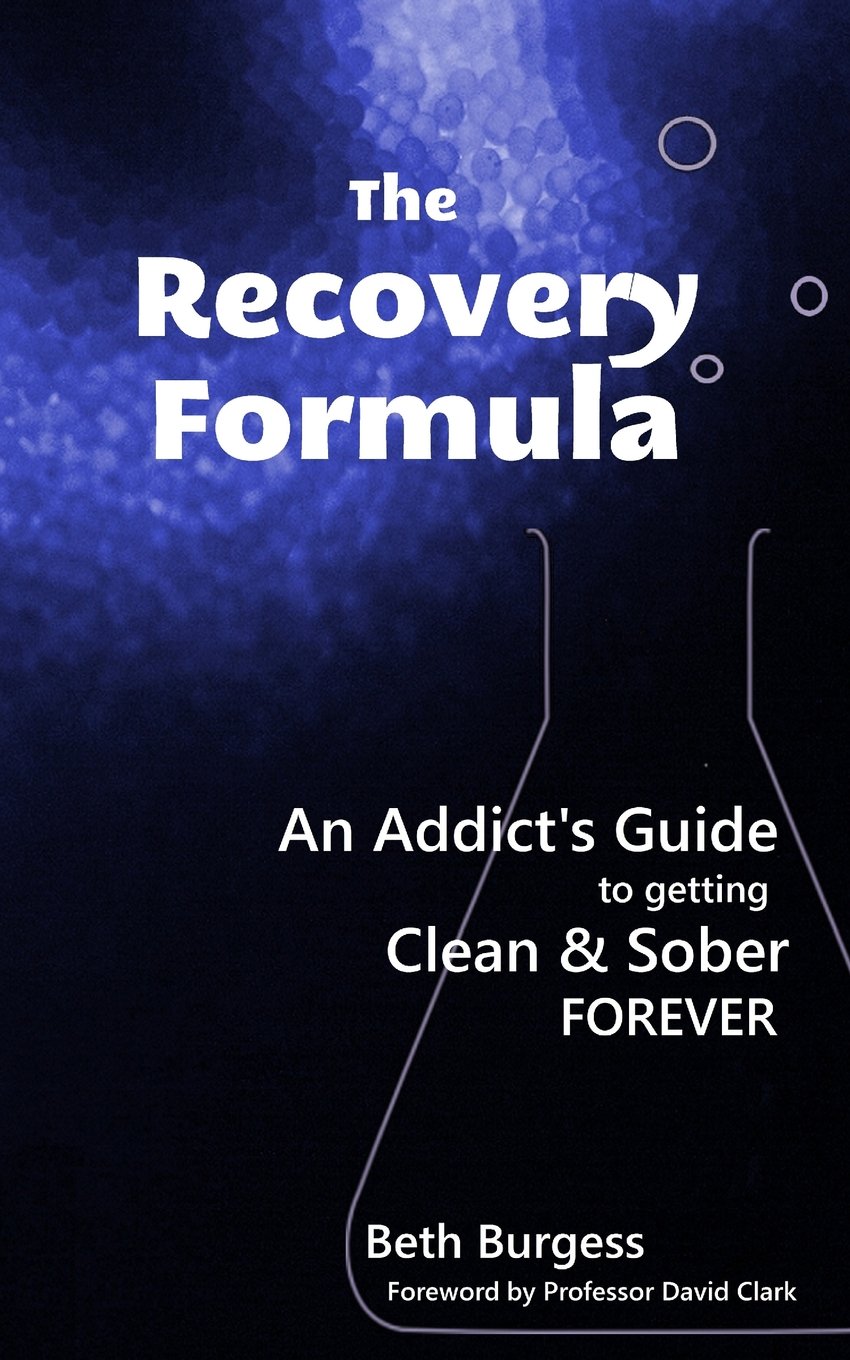
My book, The Recovery Formula, can help you to understand addiction and what is required for recovery. I literally wrote it so that other addicts wouldn’t have to make the same mistakes I did!